Where it started
In 2022, during the NFT craze, a few friends and I drew a unicorn character called Dudicorn and sold it as an NFT. It went for a lot more than we expected. Then people started asking us things:
- 1The buyer wanted to put Dudicorn on merch. Could they?
- 2Someone wanted to remix it. Who gets to say yes?
- 3The platform's terms said one thing and people did another. Which one counts?
We didn't have clear answers, and nobody else did either. A better contract wouldn't have fixed it. What was missing was a way to write down who can use a work, and how, that software could check.
The idea
One work, three proofs
- ArtistsPCO
- Brands
- Individuals
- Held by
- Artists
- Lets you
- Sell the copyright, or license it to others.
- For example
- You drew Dudicorn, so its PCO is yours.
How it works
From upload to proof
An artist uploads the work, the same way they would on any platform.
Dudicorn's records here are illustrative. The fingerprint is computed live, in your browser.
In the real world
Rights you can scan
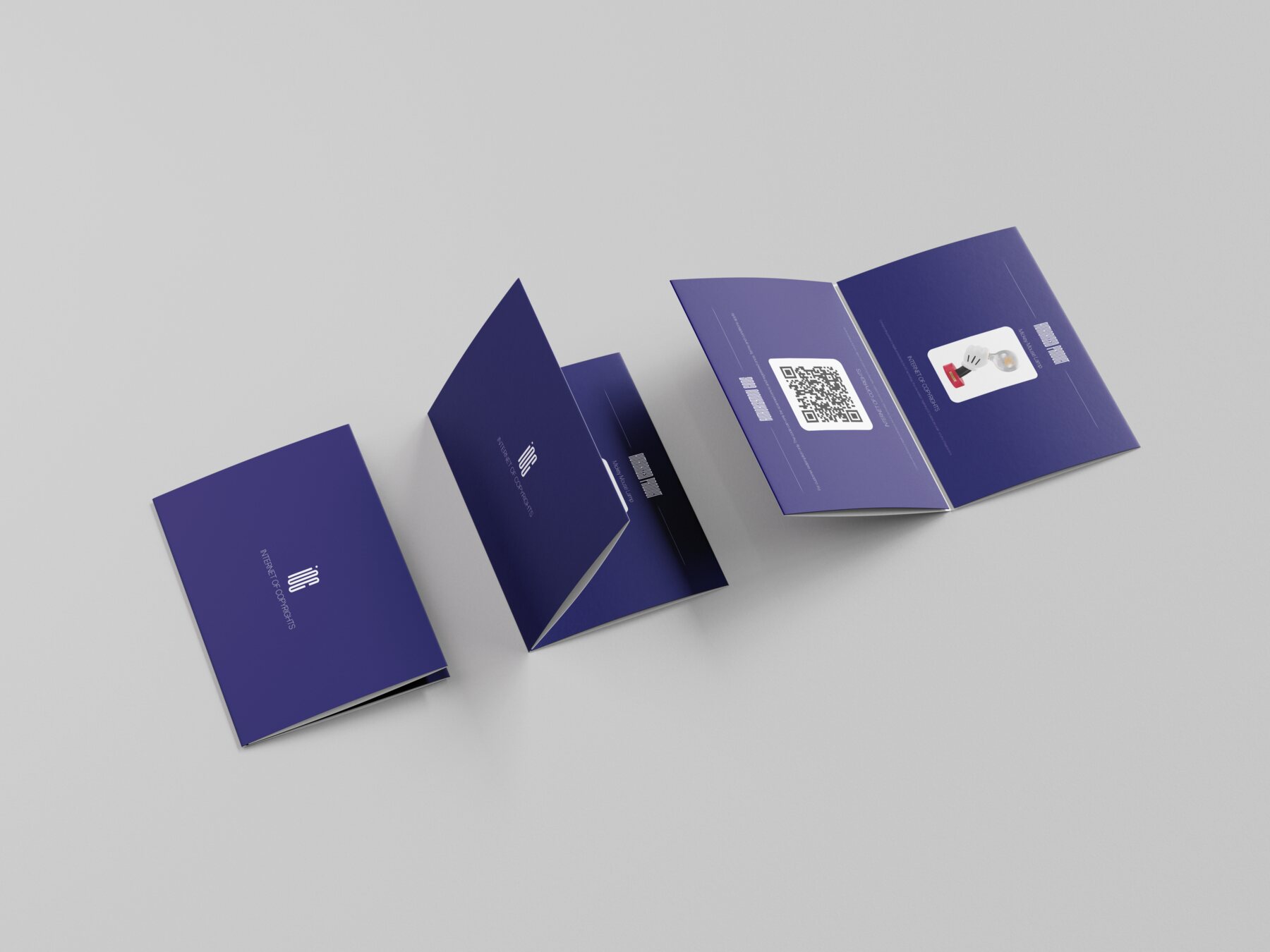
Nobody should need a lawyer to read a product. So we designed Uniqode: a code printed on the packaging. Scan it and you see whether the product is genuine and what rights it carries.
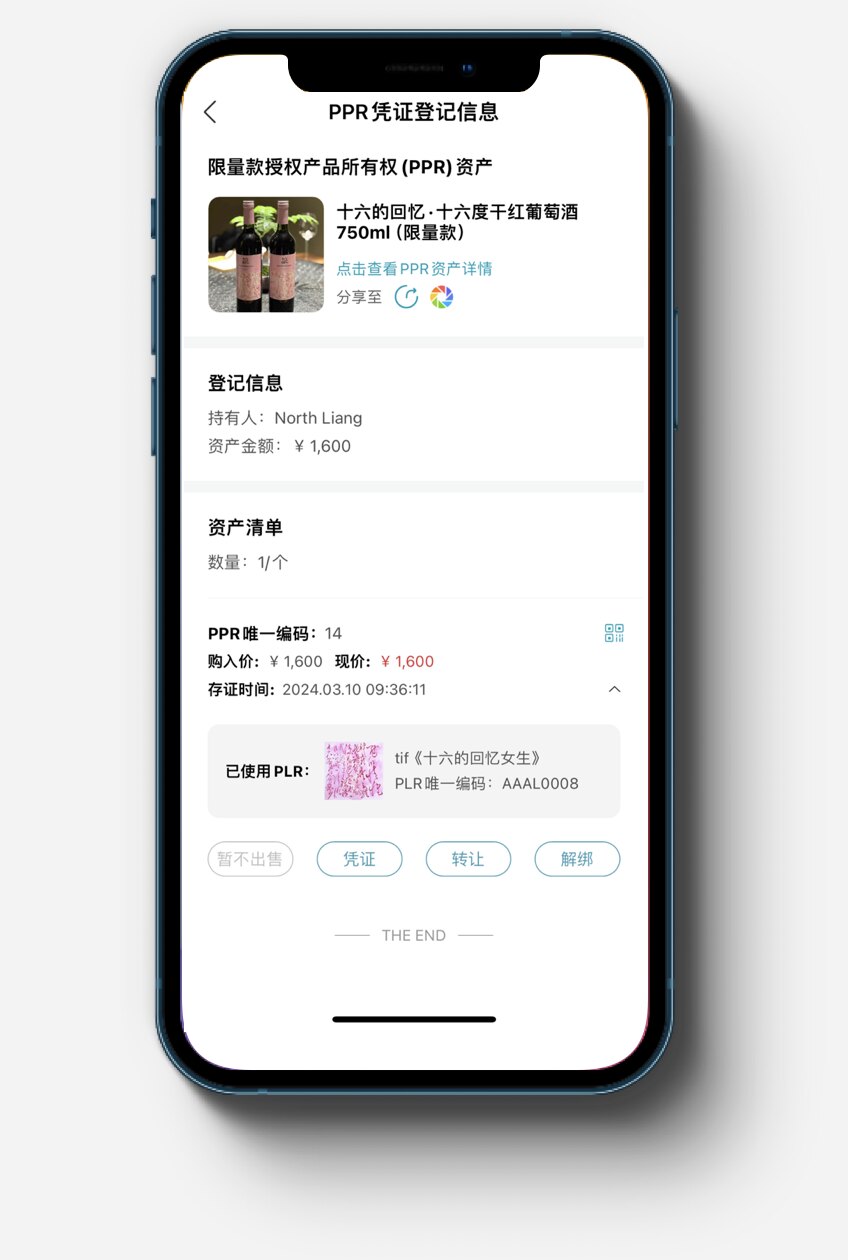
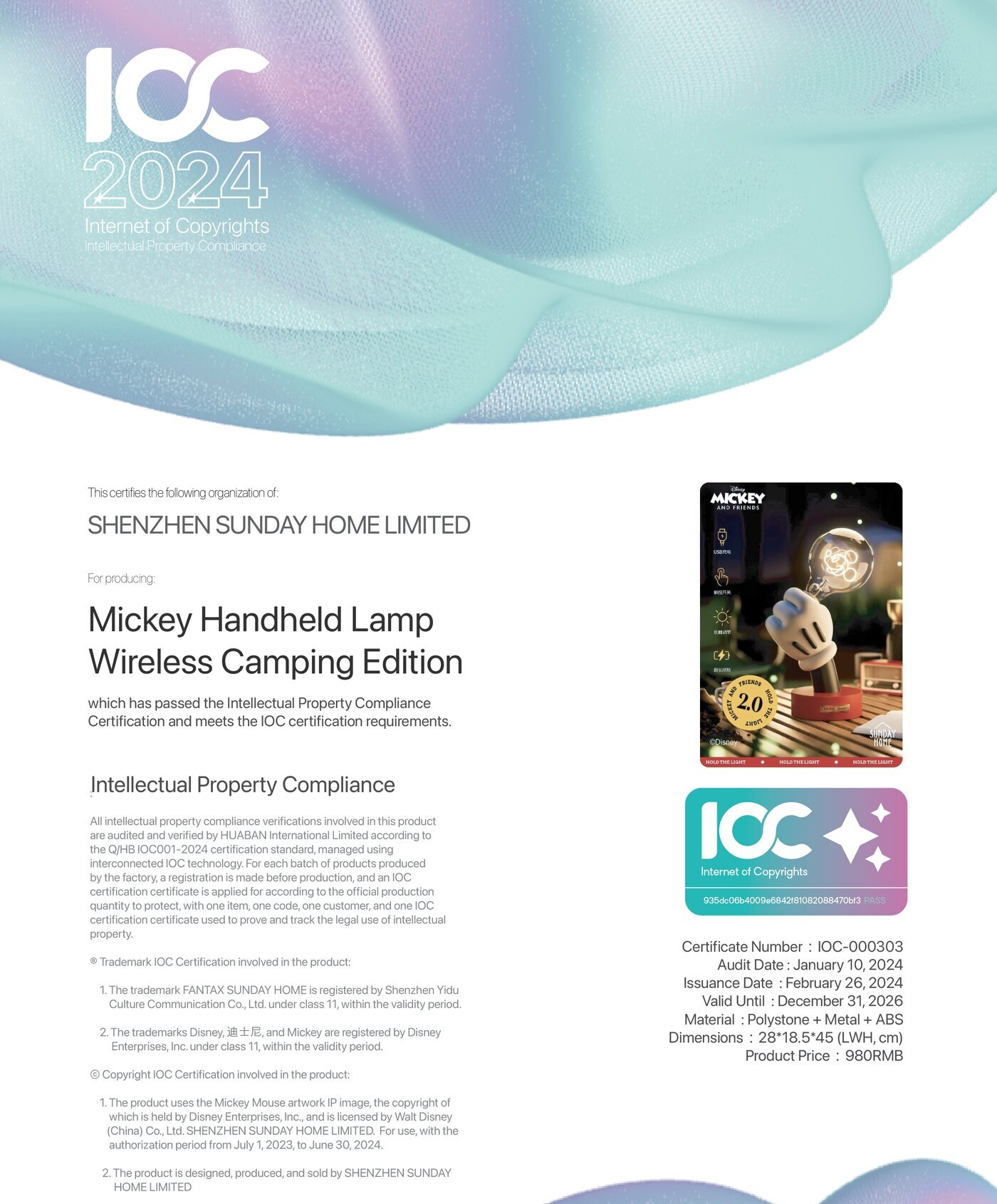
An illustration. In the Huaban app, a binding code opened the real certificate: see the gallery below.
What's next
- AI training as a licence term
Can a model learn from this work? With IoC, that's a field in the licence, not a guess.
- Paying for influence
One day, an AI's output could be traced back to the works it relied on, and those artists paid.
- Beyond images
It started with character design, but the same structure fits text, music and software.
- Into a real product
The IP-trading company I interned at is prototyping new features on this rights structure.